Dental Implants Transform – Maintaining good oral health is essential for overall well-being. Patients across major cities like Mumbai regularly visit dental clinics for preventive, restorative, and cosmetic care. Understanding the Most Common Dental Treatments helps patients seek timely care and avoid serious dental problems.This guide explains the top 7 most common dental treatments and procedures, commonly performed by experienced dentists across India’s leading cities.
Dental Cleaning (Scaling & Polishing)
Dental cleaning is one of the Most Common Dental Treatments in Mumbai, recommended every six months.
Benefits include:
- Removal of plaque and tartar
- Prevention of gum disease
- Fresh breath and healthy gums
Most dental clinics in Mumbai advise regular cleaning to maintain long-term oral health.
Dental Fillings
Dental fillings are frequently performed in dental clinics across Mumbai to treat cavities and minor tooth damage.
Types available:
- Tooth-colored composite fillings
- Silver (amalgam) fillings
- Ceramic fillings
Fillings stop decay from spreading and restore tooth function.
Role of Patient Specific Implant in Dental Rehabilitation
A patient specific implant is designed using advanced digital imaging such as CBCT scans and CAD/CAM technology. These implants are tailored to the patient’s bone density, jaw shape, and occlusal forces, ensuring a precise fit and optimal load distribution.
Root Canal Treatment
Root canal treatment is one of the Most Common Dental Treatments in India, especially in metropolitan cities such as Mumbai, where patients seek pain-free dental care.
Common symptoms:
- Severe tooth pain
- Sensitivity to hot or cold
- Swelling around the tooth
- Modern root canal procedures offered in clinics across Mumbai are safe and painless.
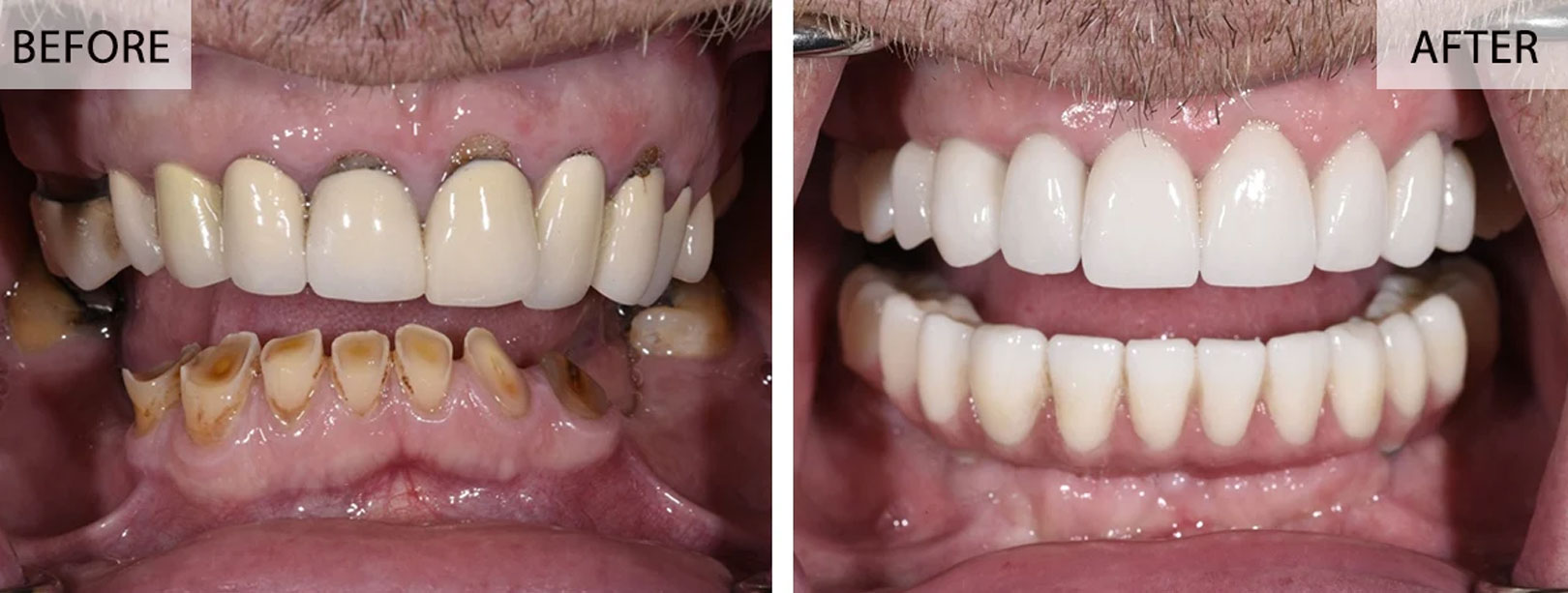
Full-Mouth Rehabilitation Using Dental Implants
In cases of complete tooth loss or severely compromised dentition, dental implants enable full-mouth rehabilitation through solutions such as:
- All-on-4 or All-on-6 implant systems
- Implant-supported fixed bridges
- Hybrid dentures anchored by implants
By incorporating patient specific implant planning, dentists can restore the entire dental arch with fewer implants while maximizing strength and aesthetics.
Key innovations:
- Robotic Surgery: Enhanced precision and visualization have made robotic-assisted parotidectomies more common, especially in tumors near the facial nerve.
- Endoscopic Techniques: Used for smaller tumors, especially in the submandibular and minor salivary glands, endoscopic approaches reduce the surgical footprint and post-op complications.
Bone Preservation and Facial Structure Support
One of the most transformative aspects of dental implants is their ability to preserve jawbone health. When teeth are missing, the jawbone begins to shrink due to lack of stimulation. Dental implants function like natural tooth roots, stimulating the bone and preventing bone loss.
Patient specific implant designs further enhance this benefit by adapting to available bone volume, even in cases of bone resorption, reducing the need for extensive grafting procedures.
Enhanced Comfort and Quality of Life
Traditional dentures can slip, cause sore spots, and restrict food choices. Implant-based rehabilitation eliminates these issues by offering fixed, secure teeth. Patients experience:
- Increased confidence while smiling and speaking
- Freedom to eat a wider variety of foods
- No fear of prosthesis movement
- Improved overall oral comfort
- When a patient specific implant approach is used, comfort levels are significantly higher due to precise implant positioning and prosthetic alignment.
Digital Dentistry and Implant Planning
Modern dental rehabilitation heavily relies on digital workflows. From 3D scans to virtual implant planning and guided surgery, technology ensures predictable and accurate outcomes.
Patient specific implant solutions integrate seamlessly with digital dentistry, allowing clinicians to simulate final results even before the surgery begins. This not only improves success rates but also enhances patient understanding and satisfaction.
Long-Term Success and Maintenance
Dental implants are a long-term investment in oral health. With proper care, they can last decades. Regular dental check-ups, good oral hygiene, and professional maintenance ensure implant longevity.
A patient specific implant further contributes to long-term success by reducing mechanical stress, improving prosthetic fit, and maintaining healthy surrounding tissues.
Conclusion
Dental implants have transformed complete dental rehabilitation by offering stable, functional, and aesthetic solutions for tooth replacement. The integration of patient specific implant technology has taken this transformation a step further by personalizing treatment for superior precision, comfort, and durability.
For patients seeking a permanent and natural-looking solution to restore their smile and oral health, dental implants—especially patient-specific approaches—represent the gold standard in modern dental rehabilitation.